
Guilbeault resignation shakes Canada’s government

The Guilbeault resignation has surprised many people across Canada. Steven Guilbeault left the cabinet after the government decided to move forward with a new pipeline deal. He said this decision betrayed important promises and misled the public. His choice to step down sparked a major debate. Many now wonder what this means for trust, honesty, and the future direction of the country. And because he spoke so clearly, the situation keeps growing.
Why the Guilbeault resignation matters for Canada
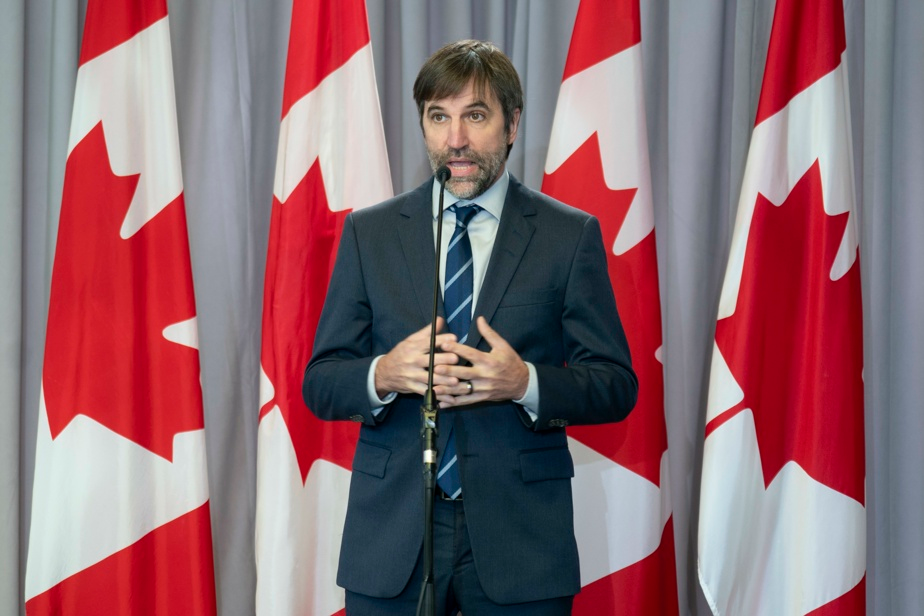
The Guilbeault resignation created a shock because it came from someone trusted inside the government. When a cabinet minister quits, it usually means something big happened. And in this case, he left because of a pipeline agreement he felt went against clear promises made earlier. According to him, the government had said one thing but then acted in the opposite direction. This, he explained, breaks trust.
And trust is the base of any relationship between leaders and citizens. Because of this, many Canadians felt confused. They want honesty, clarity and a government that speaks in a simple and true way. Yet Guilbeault said this was not happening, and that staying silent would have made him part of the problem. This moment also matters because it exposes a deeper tension in Canada: the constant struggle between economic projects and environmental protection.
Some people want pipelines for jobs and growth. Others want cleaner choices for the future. When a minister leaves over this conflict, the issue becomes even more visible. In short, the resignation is not only about one man. It is also about promises, direction, and the real values of the government today. And as people hear his words, many start asking harder questions.
What Steven Guilbeault explained after his resignation

After the Guilbeault resignation, he gave his first long interview in English. In this talk, he spoke in a calm but serious tone. He explained that he could not support the pipeline deal. And also he said it went against commitments he believed were important for the environment and for people who trusted the government.
He shared that he felt the government was not being fully honest about the decision. He believed some things were hidden or softened to avoid public criticism. For him, that was not acceptable. He also said something very personal: “Sorry Prime Minister, I’m no longer your man.” By saying this, he showed how strong the disagreement had become. This was not a small difference of opinion. It was a deep conflict about values.
He insisted he had tried to fight the decision from inside the cabinet. But at some point, he realized the direction was already chosen. So, he decided to step out rather than pretend he agreed. Because of his honesty, many Canadians listened carefully. Some praised him for standing up. Others disagreed with him, but still respected his clarity. Either way, his voice made the situation impossible to ignore.
How the Guilbeault resignation could change the government
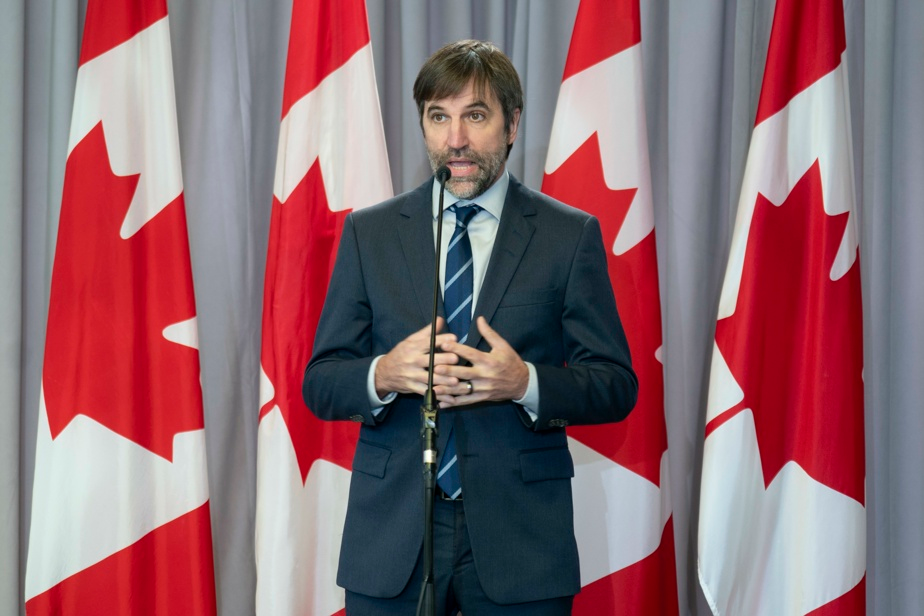
The Guilbeault resignation may lead to several changes inside the government. First, it raises new doubts about unity. When a senior minister leaves due to a serious disagreement, other ministers might start wondering about their own positions. This can cause quiet tensions that slowly grow. Next, the government now faces more pressure from the public. People want to know why the pipeline deal was made.
They want clear explanations, simple words, and open answers. Because Guilbeault spoke so strongly, the government can no longer avoid responding. This resignation may also strengthen groups that worry about the environment. They now have a powerful example of someone at the top who said “enough.” Many citizens may feel encouraged to speak up more loudly. And there is another effect: the pipeline deal itself will be examined even more closely.
People will want to understand how it affects land, water, and future choices. They will ask whether the benefits truly outweigh the risks. Because of all this, the government might need to adjust its message, its plans, or even its long-term strategy. And though leaders may try to move forward, the resignation will stay in people’s minds for a long time.
What comes next for Canada after this resignation
Now that the Guilbeault resignation is public, the next steps will be important. Some Canadians support the pipeline project and believe it will help the country grow. Others think Canada should move away from such projects for the sake of the climate. Because the debate is so strong, the coming months will likely bring more discussions, questions, and maybe even political actions. People will talk in schools, workplaces, and communities. They will debate fairness, honesty, and the future of the country.
The government will need to respond clearly. It may try to rebuild trust by explaining its choices in detail. It may also try to show how the deal fits into a larger plan. But rebuilding trust takes time, especially after such a big resignation. For now, one thing is certain: Canadians will pay close attention. They will listen to leaders, compare words and actions, and judge carefully.
The Guilbeault resignation marks a turning point. It highlights a deep conflict between promises and actions. It also shows how honesty can push someone to leave even the highest level of power. Many Canadians now expect clearer answers. And as debates grow, the country faces a simple but strong question: who can we trust moving forward?
About The Author


