RSV shots for infants show major impact in Canada
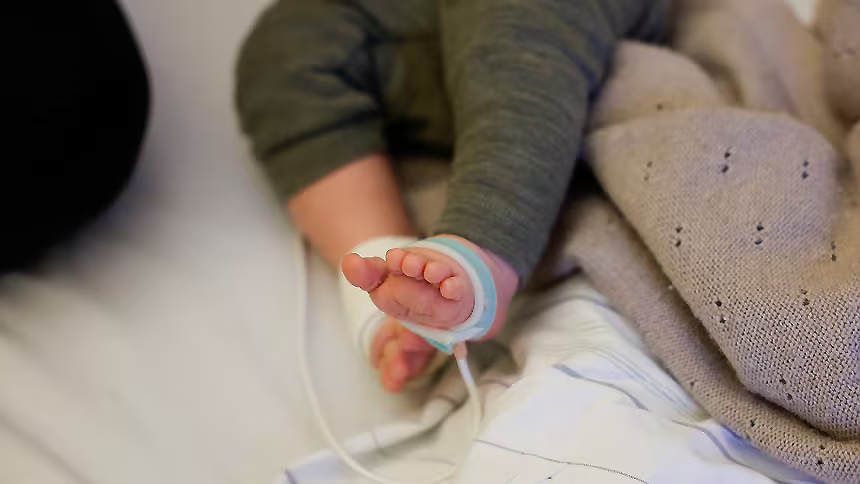
RSV shots for infants are transforming how Canada confronts one of the most common and dangerous respiratory infections affecting newborns. For years, respiratory syncytial virus has overwhelmed pediatric wards, yet new antibody tools are now dramatically reducing severe cases. However, despite encouraging early results, access to these preventive options remains uneven across the country. As more provinces test large-scale immunization programs, questions around equity, logistics, and cost continue to shape the national debate. In this context, emerging data offers a clearer picture of how these new protections could reshape infant health in Canada.
How RSV Became a persistent Threat for Newborns

Respiratory syncytial virus has long been recognized as a leading cause of infant hospitalizations. Although the virus is often unknown to the general public, pediatric specialists have repeatedly noted its profound impact on babies during their first year of life. Consequently, RSV has retained a reputation as a particularly stubborn threat, outlasting many other childhood respiratory diseases for which effective vaccines have existed for decades. In recent clinical discussions, infectious disease experts have stressed that RSV continues to place enormous pressure on pediatric care. The virus can cause breathing difficulties, wheezing, lung inflammation, and in rare cases, life-threatening complications. Therefore, preventing severe infections in the youngest patients has remained a priority for researchers and clinicians worldwide.
A mother’s experience illustrates the risks
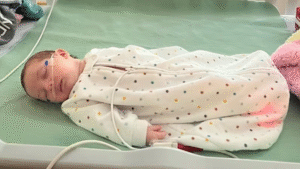
The story of a Calgary family highlights how quickly RSV can escalate. When a seven-week-old infant began struggling to breathe, her mother immediately sought hospital care. This urgency reflects the unpredictable nature of RSV infections, which can deteriorate rapidly and require oxygen support. Although the child eventually recovered, her hospitalization illustrates the heavy burden the virus continues to impose on families and health-care systems.
RSV shots for infants drive a major breakthrough in prevention
New data confirms strong protection
In the past two years, the introduction of monoclonal antibody shots has marked a turning point in RSV prevention. According to a large global review examining more than 500 studies, these antibody tools reduce hospitalizations among infants by more than 80 per cent. Moreover, vaccines given during pregnancy have also shown meaningful protection, even if the effect is slightly lower.
These developments represent one of the most significant advances in respiratory virus prevention in decades. Notably, several countries have already recorded dramatic reductions in RSV admissions. For instance, pediatric intensive care units in Madrid reported close to 90 per cent fewer RSV cases, while Chile observed hospitalizations drop by roughly three-quarters after rolling out national programs.
Canadian Provinces Seeing Early Benefits
In Canada, early real-world data is similarly promising. A universal antibody program in Quebec prevented more than half of expected RSV-related hospitalizations and ICU admissions during the most recent season. Pediatric teams also reported lighter hospital workloads, which helped reduce the strain normally caused by RSV surges. Consequently, some seasonal pressures such as delayed surgeries due to limited ICU capacity eased significantly. These encouraging results suggest that broader access to antibody tools could help stabilize pediatric services during the winter months. However, the implementation of such programs remains inconsistent across provinces.
Access to RSV shots for infants remains uneven across Canada
Different provincial approaches persist
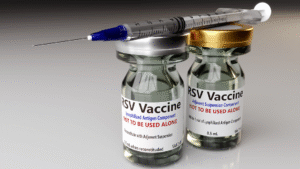
The 2023–2024 season was the first time Canada introduced a broad set of RSV prevention tools, including vaccines for pregnant women and older adults, as well as nirsevimab, a one-dose antibody shot designed specifically for infants. Despite this national rollout, provincial adoption has varied widely. Ontario stands out as the only province offering full public coverage for both the infant antibody shot and the maternal vaccine. As a result, almost 70 per cent of newborns received nirsevimab at birth in the program’s first year.
However, the uptake fluctuated significantly among hospitals, ranging from just over 30 per cent to nearly 90 per cent. Quebec, which launched a universal infant program, also reported high coverage, with around eight in ten newborns receiving the antibody. Nevertheless, infants born before the RSV season had lower participation rates, showing how timing challenges can affect access.
Provinces still limiting eligibility
Other regions remain far more restrictive. British Columbia, Alberta, New Brunswick, and Newfoundland and Labrador continue to offer funded shots only to infants deemed high risk. Although families may access the antibody on a private-pay basis in some cases, availability depends on the manufacturer. In several provinces, health authorities indicated that cost-effectiveness studies are still underway, delaying broader adoption. This patchwork system means that an infant’s level of RSV protection currently depends heavily on provincial policy rather than medical need. Pediatric specialists warn that this approach leaves many healthy infants unprotected, even though the virus affects vulnerable and non-vulnerable babies alike.
Logistical barriers still limit RSV shots for infants uptake

Despite strong clinical results, several practical barriers continue to influence real-world uptake. In Ontario, the most frequently reported reason for declining the antibody shot was a parent or caregiver choosing not to proceed. Health-care providers note that birth timing is also a recurring concern. Infants born in the spring or summer require a later appointment to receive the shot before RSV season begins, a step many families find difficult to schedule. Physicians emphasize that improving access will require not only funding but also stronger communication strategies. By helping parents understand the benefits, risks, and timing of RSV protection, health authorities could improve participation rates and reduce seasonal surges in severe infections.
The cost of RSV versus the cost of prevention

Hospitalizations carry a high financial burden
New research underscores the financial impact of RSV on the health-care system. A large Canadian study examining nearly 30,000 hospitalizations found that infants under six months accounted for a substantial share of RSV admissions and related costs. The average price of a single hospital stay ranged from about $8,000 to more than $80,000 for infants requiring ventilation in intensive care. These findings suggest that widespread access to preventive antibody tools could reduce significant medical expenses while also decreasing the emotional strain experienced by families.
Long-term effects extend beyond hospitalization
The same study revealed that more than 80 per cent of hospitalized infants had no known risk factors. This indicates that severe RSV infections can affect any newborn, not only those with underlying medical vulnerabilities. Furthermore, evidence suggests that infants who experience severe RSV may face a higher risk of developing asthma later in childhood. Consequently, the virus carries potential long-term consequences that extend beyond the immediate hospitalization.
Why equitable access to RSV shots for infants matters
Health-care professionals consistently argue that preventing RSV should be a national priority. With infections already rising across Canada, pediatric teams are preparing for another busy season. Many doctors express frustration when treating infants with severe RSV, particularly in cases where a lack of access to antibody protection may have left families vulnerable. Moreover, the cost of private access remains a significant barrier. With the list price of nirsevimab close to $1,000, many households cannot afford the shot without provincial support. This disparity reinforces calls for transparent cost evaluations and broader public programs.
As new data strengthens the case for RSV shots for infants, the challenge now lies in ensuring equitable access across Canada. Early results show dramatic reductions in hospitalizations, yet provincial policies continue to determine who receives protection. While experts highlight the clear medical and economic benefits, logistical hurdles and cost debates persist. The coming seasons will reveal whether governments choose to expand coverage and provide consistent protection for all newborns. Ultimately, the question remains: will Canada seize this opportunity to redefine infant respiratory health?
About The Author