
Canada’s Housing Crisis The Truth Behind a Market in Chaos
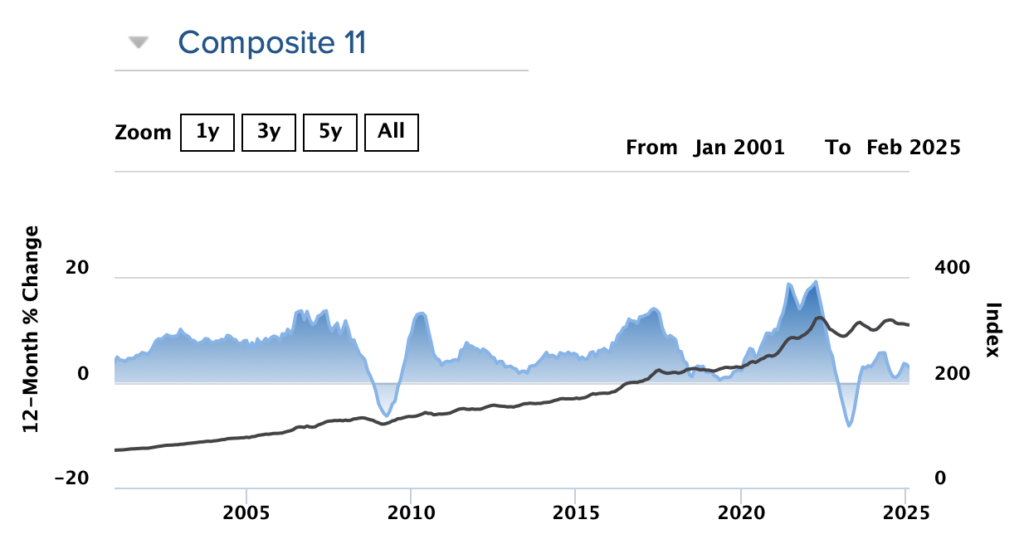
In 2025, Canada faces a severe housing crisis. Rents surge in major cities, homeownership becomes harder, and demand rises faster than supply. This situation creates major economic, social, and political challenges. Here is a detailed look at the main causes, the impacts, and the solutions now emerging.
Demand Rises Far Faster Than Supply

Housing demand in Canada grows much faster than new construction. This imbalance drives the current crisis. For several years, the country has welcomed many new arrivals. Skilled workers, international students, and immigrant families expand the population each year. This trend boosts the economy. However, it also increases pressure on urban areas. Cities like Toronto, Vancouver, Montréal, and Calgary absorb constant growth while supply remains limited.
In addition, new construction faces major delays. The building sector lacks skilled labour. Material costs increase rapidly. Administrative procedures also slow down permits. These obstacles reduce the pace of new projects. Therefore, the market struggles to rebalance. Demand keeps rising while supply stagnates, and this gap creates a deep structural problem.
Moreover, limited housing supply fuels intense competition. Many units rent or sell within days. Bidders often offer more than the initial price. As a result, access to housing becomes extremely difficult for modest households and recent newcomers. This pressure grows each year and worsens the market conditions.
Rents Reach Some of the Highest Levels in North America

In 2025, Canadian rents reach some of the highest levels on the continent. Toronto and Vancouver remain the most affected cities. Their average rents exceed affordable thresholds set by experts. Prices for simple apartments now match those in the most expensive global markets. Consequently, many households move far from downtown cores. Travel times increase, and quality of life drops.
Meanwhile, Montréal also faces rapid rent increases. The city attracts students, young workers, and new residents. Its cultural appeal and demographic growth intensify pressure on rental units. Young workers and students feel the impact first. Many accept smaller spaces, distant neighbourhoods, or costly shared rentals. Prices rise each month, and many budgets collapse under the strain.
In several provinces, households now spend more than 30 percent of their income on housing. This level signals severe financial pressure. As a result, many families cut essential expenses. Others rely on credit or lose their ability to save. The situation increases inequality and creates strong economic insecurity. The rent surge continues without pause. It has become a long-term national issue.
A Crisis With Major Social and Economic Consequences
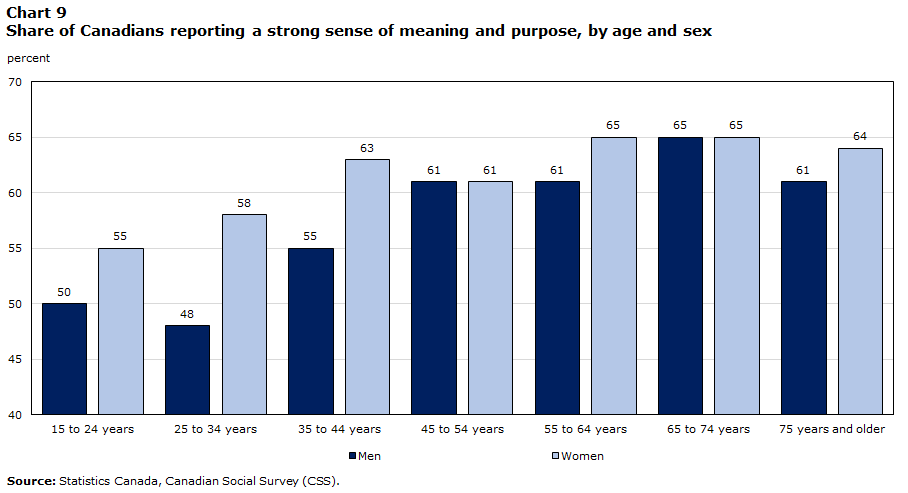
Canada’s housing crisis affects more than prices. It also creates deep social and economic consequences. Young adults struggle the most. Many cannot find housing that fits their budget. Some stay longer in their parents’ homes. Others choose unstable or expensive shared spaces. This situation delays their financial independence and affects family or career plans.
Furthermore, the crisis reduces labour mobility. In many large cities, companies struggle to recruit staff. Candidates refuse jobs because housing near workplaces costs too much. This problem affects key sectors such as health care, construction, hospitality, and retail. Reduced mobility slows regional economic growth. It also limits development in many communities.
Additionally, residential insecurity increases across the country. Many households rely on temporary solutions. Some live in hotels, crowded basements, or low-quality units. The number of workers without stable housing also rises. This trend reveals the depth of the crisis. Stress and insecurity grow rapidly. Consequently, housing challenges affect mental well-being for many Canadians.
Proposed Solutions to Ease the Crisis
Governments at all levels now attempt to ease the crisis. Their main priority is to increase housing supply. Several cities adopt urban densification strategies. These policies encourage multifamily buildings and the use of underdeveloped land. They also simplify permit procedures. The goal is clear: build thousands of new homes before the decade ends.
In addition, short-term rentals face tighter rules. Platforms like Airbnb now require strict permits in many cities. Some municipalities limit these rentals to primary residences. These measures return many units to the long-term market. Consequently, rental availability rises in targeted districts.
Provinces also expand financial support. They introduce rent subsidies and programs for first-time buyers. Moreover, governments invest in social housing. These efforts aim to support the most vulnerable households and offer long-term stability.
Finally, innovative housing solutions grow in popularity. Modular homes, tiny homes, and converted commercial buildings provide faster and cheaper alternatives. These options diversify supply and respond to urgent needs.
Canada’s housing crisis remains deep and complex. However, several solutions now advance. More construction, stronger regulation, and new housing models may ease pressure. The year 2025 marks a crucial moment. Canada must act quickly to build a more accessible and stable housing market for all.
About The Author


