
Cabinet shuffle imminent following Guilbeault’s departure
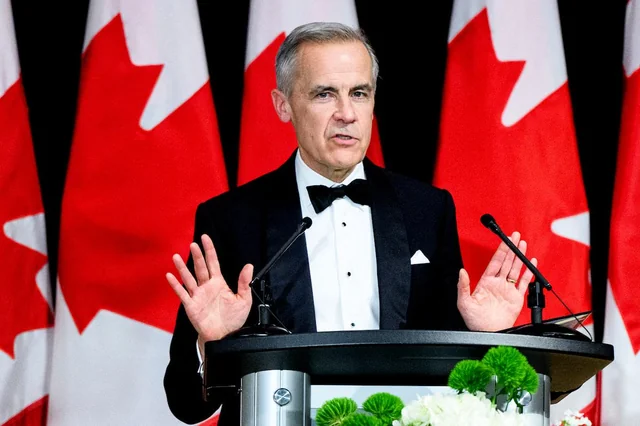
A significant change in the composition of the Canadian government is about to take place. Following the resignation of a key minister, Prime Minister Mark Carney finds himself compelled to reorganize his cabinet. This cabinet shuffle, occurring during a politically sensitive period, marks a turning point in the structure of the government team and raises questions about the future direction of certain strategic departments. The timing of this ministerial transition adds complexity to an already delicate political landscape.
Official Ceremony Scheduled to Appoint a Successor
This Monday afternoon, Mark Carney will travel to Rideau Hall to preside over a swearing-in ceremony scheduled for 3:00 p.m. Eastern Time. This formal meeting at the Governor General’s residence is an essential protocol step for any changes to the Cabinet. Political analysts anticipate that this session could result in the appointment of a new Minister of Canadian Identity and Culture, a role currently vacant following Steven Guilbeault’s departure.
While this administrative procedure follows standard routine, it carries particular significance due to the strategic nature of the portfolio involved. The Department of Identity and Culture, which plays a crucial role in promoting Canadian values and safeguarding national heritage, is receiving heightened attention from the media and opposition following this appointment. The selection of Guilbeault’s successor will signal the government’s priorities for cultural policy moving forward.
Guilbeault’s Departure Creates a Void to Fill

Steven Guilbeault’s departure creates a vacancy in a key position within the Carney administration. This sudden exit forces the Prime Minister to quickly reorganize his government team to ensure continuity of ministerial operations. The specific reasons for this withdrawal have not been publicly disclosed; however, this change requires a swift response to prevent any administrative gridlock.
The Canadian Department of Identity and Culture handles sensitive issues related to national representation, cultural strategies, and the promotion of bilingualism. The void left by the departure of a minister in this position could potentially hinder certain ongoing projects and create uncertainty in the management of various government programs. The speed with which Carney is organizing this replacement ceremony reflects the government’s desire to minimize disruptions. Stakeholders in the cultural sector are closely monitoring the situation, eager to understand how this transition will affect pending policy initiatives and funding decisions.
A Cabinet Shuffle That Could Extend Beyond Simple Replacement
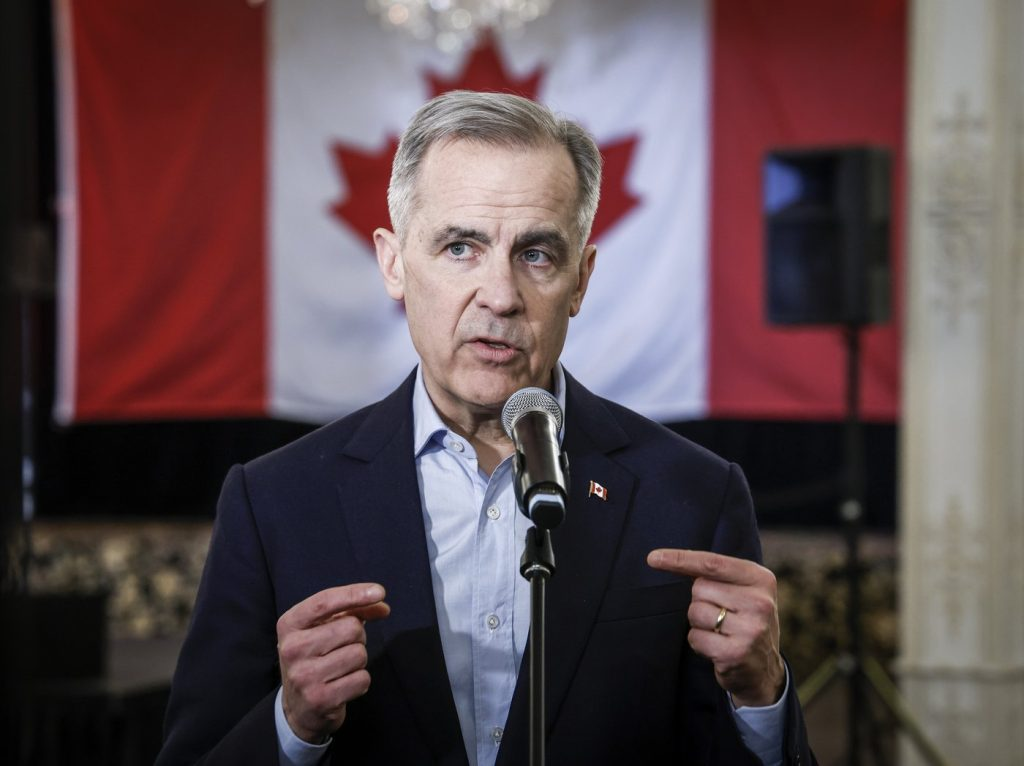
Although the Rideau Hall ceremony primarily aims to fill the position left vacant by Guilbeault, political experts suggest that Carney might seize this opportunity to make more extensive changes within his cabinet. This cabinet shuffle could serve as a strategic moment to reassign responsibilities, reward political allies, or respond to internal pressures within the governing party. Such restructuring often reflects shifting political dynamics and evolving policy priorities.
This type of government reorganization often signals an administration’s changing priorities and may indicate shifts in direction for certain public policies. The coming hours will determine whether Carney limits himself to a targeted replacement or uses this occasion to fundamentally restructure his team’s composition. Parliamentary observers and the media will closely monitor the day’s developments to decipher the Prime Minister’s political objectives and assess the broader implications of this cabinet shuffle.
The planned ministerial changes highlight the dynamic and ongoing nature of governments, where cabinet shuffles inevitably lead to reorganization and strategic repositioning. The arrival of a new Minister of Canadian Identity and Culture represents a crucial juncture for establishing the Carney government’s cultural vision in the coming months.
About The Author


