World Cup 2026: Qualified Teams Revealed
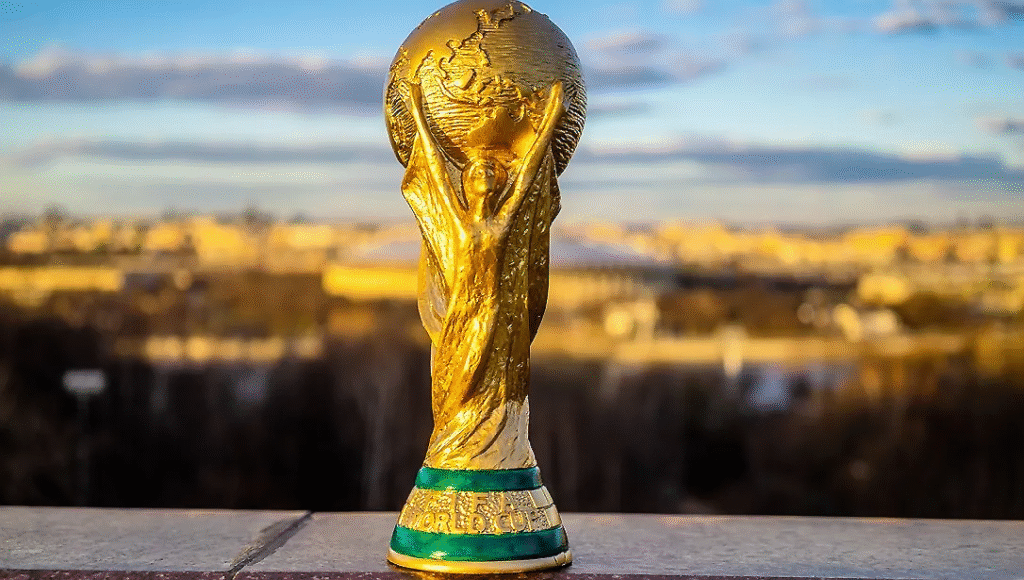
The upcoming World Cup 2026 is quickly emerging as one of the most exciting tournaments in the history of football. This new enlarged format of 48 teams has made qualifying more competitive than ever before, and by November 2025, dozens of nations have already qualified for this historical tournament. In this article, we will review those who have qualified, highlight some memorable stories from their quests to do so and preview the remaining fights on the path to World Cup 2026.
Teams currently qualified for the World Cup 2026

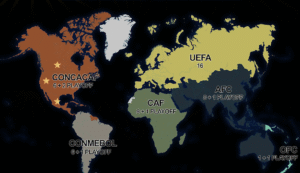
As of November 2025, 29 teams have officially qualified for the 2026 World Cup. Here’s a breakdown of each of the qualified teams by confederation:
- CONCACAF (Hosts): United States, Canada, Mexico.
- CAF (Africa): Algeria, Cape Verde, Egypt, Ghana, Ivory Coast, Morocco, Senegal, South Africa, Tunisia.
- AFC (Asia): Australia, Iran, Japan, Jordan, South Korea, Uzbekistan, and Qatar, Saudi Arabia.
- CONMEBOL (South America): Argentina, Brazil, Colombia, Ecuador, Paraguay, Uruguay.
- UEFA (Europe): England, France.
- OFC (Oceania): New Zealand.
Jordan and Uzbekistan will both be making their World Cup debuts. This increasing representation reflects the historic expansion to 48 teams and highlights just how much of a world event the World Cup 2026 promises to be.
Notable qualification narratives: firsts, surprises, and milestones
Cape Verde’s Groundbreaking Progression: One of the most compelling stories in the qualification process is Cape Verde. The Blue Sharks secured their inaugural place at the World Cup after winning their CAF qualifying group with a 3–0 victory over Eswatini. Given their population, Cape Verde will be one of the smallest nations in size to qualify for a men’s World Cup.
An African Resurgence: Africa has a strong showing for 2026. It is exciting to see nations, including Ghana, Algeria, Egypt, Morocco, Senegal, South Africa, and Ivory Coast, all qualify. Particularly compelling is South Africa’s qualification after a points deduction during the qualification process, marking their first qualification since hosting the World Cup in 2010.
Asian Expansion and New Voices: Asia’s qualifying field is as deep as it has ever been—and in record numbers. In particular, Jordan and Uzbekistan are new submissions. Yes, Japan, Iran, South Korea, Australia, Qatar, and Saudi Arabia are the established Asian powers qualifying again, demonstrating that Asia’s footballing power has officially increased to old and new challengers.
European Quality has Spoken: In Europe, England qualified comfortably as expected, and then France just recently qualified. Their early qualification highlights the strength and depth of UEFA nations, even as several European spots remain up for grabs.
What’s left: challenges and remaining paths to World Cup 2026
CONCACAF’s final push:
Although three nations from the region have already qualified, additional CONCACAF spots are still hotly contested. Teams from the region are competing vehemently to seize those ever-elusive direct berths before the qualification window closes.
The inter-confederation playoff approaches:
One of the major avenues to qualify for the World Cup is inter-confederation playoffs that will be held in March 2026. Teams from around the world—including teams that are not qualified yet—will play for a few final spots in the tournament. The inter-confederation playoffs will likely provide high drama and underdog stories.
European qualification drama:
While England and France have qualified, many spots to qualify from Europe are still undecided. Multiple teams are heading to playoffs in March, and the final spots will be extremely competitive. For many nations , this is a last chance to qualify for the expanded World Cup 2026.
Important dates coming up for the World Cup 2026:
The period for direct qualification for numerous teams is November 2025, and following that, the intercontinental playoffs in March 2026 will determine the last few places in the tournament. Those will be the days and weeks, that will decide who is part of the party.
Contenders and dark horses:
Even so, there are some teams that have boomeranged back into contention to clinch the remaining spots, while others have the potential to surprise. Historically strong teams may have clearer paths than the underdogs, but the underdogs could make history if they go through the playoffs. As the qualification continues to tick down, every match gets more significant.
I summary, the road to World Cup 2026 is more thrilling than ever. With nearly 30 teams qualified and others battling in final rounds, the expanded 48-team format delivers diversity and excitement. Debuts from Jordan, Uzbekistan, and Cape Verde, alongside Africa and Asia’s returning heavyweights, highlight the tournament’s global reach. As upcoming qualification windows and playoffs approach, the final lineup is still anyone’s guess.
About The Author