Canada’s economy shows troubling signs
Financial experts are raising alarms about Canada’s economic health despite impressive third-quarter numbers. Growth figures surpassed initial predictions by a wide margin. However, deeper analysis reveals serious underlying problems. The economy appears stronger on paper than in reality. Many key indicators point toward continued struggles ahead.
Surface strength masks deeper problems

The annualized growth of Canada during the third quarter was 1%, which is what most economists predicted would happen. This is lower than the Bank of Canada’s fifth quarter forecast of a 1.5% increase. Most of the gains came from government and household spending, while wholesale trade declined sharply through the same quarter.
The GDP per capita declined 0.4% during the third quarter, marking the sixth consecutive quarter that this important economic indicator has shown declining activity. As shown in its trend line, Canada will fall further behind in terms of total economic activity for the size of its total population. All Canadians are growing poorer. Every time the per capita GDP goes down, this trend continues to show that we are losing economic output on a per-person basis.
During this period, companies greatly reduced their investment in new machinery that may have included aircraft. Vehicle manufacturers greatly reduced their capital investments in particular. They continue to feel uncertain about making future commitments due to current trade policies at home and abroad. Additionally, manufacturing continued to decline for the third consecutive quarter.
Mixed signals create uncertainty
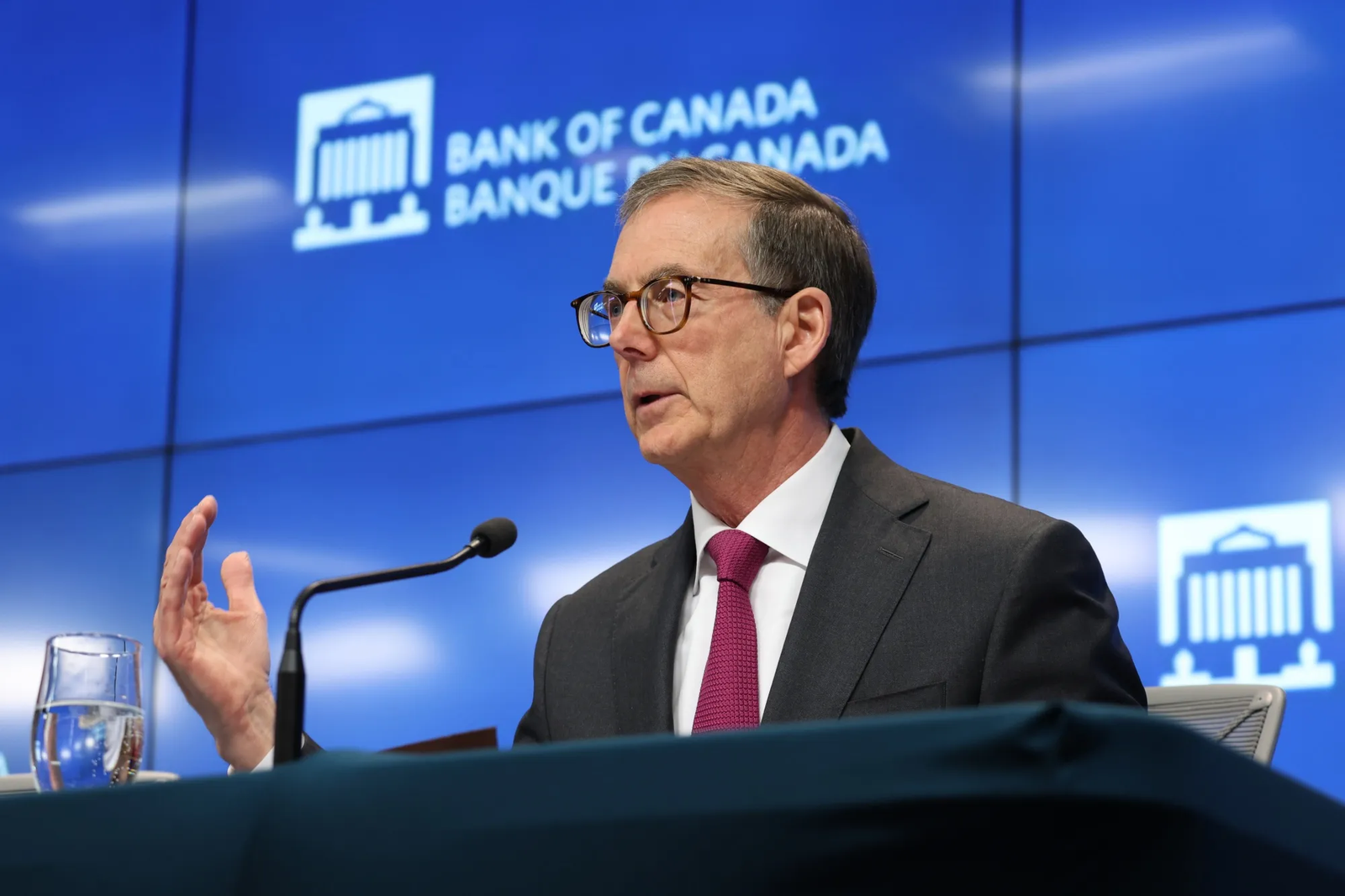
Consumers’ spending in households increased slightly due to their purchases of automobiles and economic services. Consumers purchased more pickups, minivans, and SUVs. However, food and hotel room service saw a further decline in consumer spending. This trend indicates consumers are being selective in what they purchase.
Exports were not as good as expected, as the decline in the value of out-of-country sales outpaced the decline in imports. The trade balance negatively impacted the overall growth of the economy. The manufacturing industry is struggling in many subsectors, and specifically the production of transportation equipment and machinery.
For the third straight quarter, the government increased its spending. This increase by the government provided critical support for all the reported numbers. Educational services, health care, and public administration all grew in size. If it had not been for the support of the government, the weakness of the private sector would be much more obvious.
Central Bank faces difficult choices
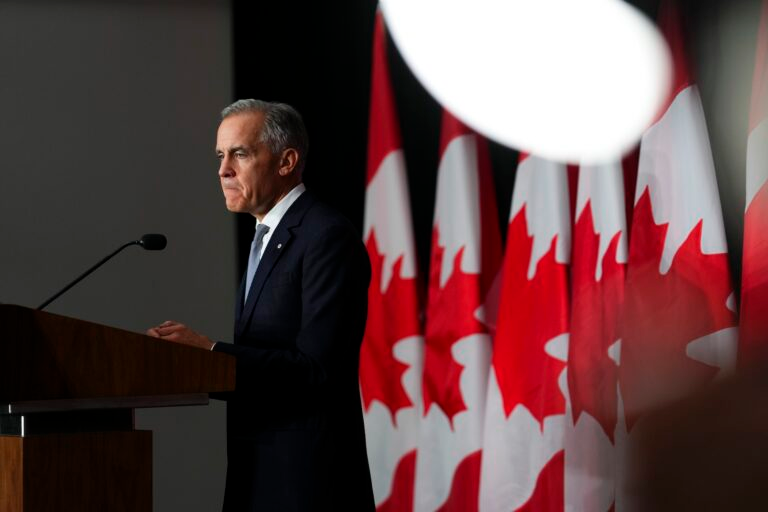
According to Andrew Grantham of CIBC, the latest numbers indicate weaker economic activity than the Bank of Canada anticipated. These results bolster the case for a second major drop in the benchmark interest rate. The December employment data will probably be an important factor in the final decision. The financial community will be closely monitoring labour statistics to determine if the rate cuts that have already been implemented are getting through to interest-sensitive sectors.
The monthly momentum heading into the fourth quarter seems to be lagging significantly behind the prior month’s performance, with September’s data indicating a very small increase (0.1% growth) and the early estimates for October indicating another small gain (0.1% increase). The reported changes for September and October are significantly lower than what had been projected by the bank.
Consequently, growth may end up being about half of what analysts predicted for the fourth quarter based on current trajectories. Rate reductions enacted earlier are taking some time to impact the marketplace. As a result of the reduced borrowing costs, both residential investment and consumer expenditures have started to show signs of improvement in recent weeks; however, the overall impact from the rate reductions has been limited and has not been evenly distributed across the country.
The numbers from Q3 give an idea of some growing concerns masked by the surface change of good news. Falling per-capita income indicates there are some real problems with the economy, while business investment is still not rebounding due to uncertainty in the Governmental Policies. The Canadian economy has a long way to go to improve.
About The Author