Cancer in Quebec: a worrying incidence rate in 2025
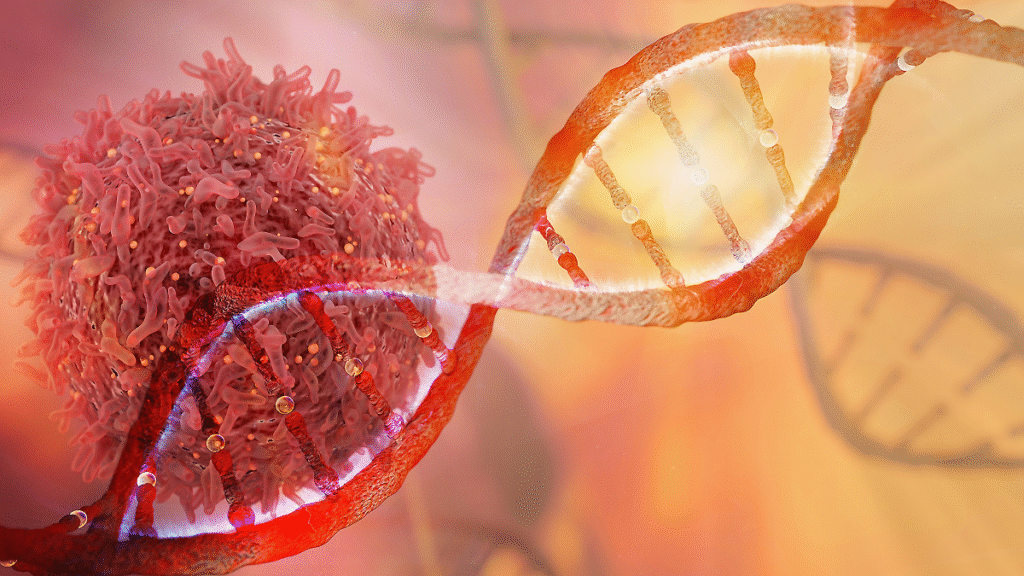
In a related concern, cancer in Quebec is reaching alarming levels in 2025, with the highest incidence rate in Canada at 664 cases per 100,000 people. The rising cancer rates show the urgent need for early detection, prevention, and government-led strategies. While measles outbreaks remind us of vaccination importance, cancer underscores broader health challenges. This article explores the causes, consequences, prevention measures, and lessons Quebec can learn from other provinces. Understanding these trends is key to reducing the burden of cancer in Quebec.
What is driving the surge in Cancer in Quebec?

Canada has recently lost its measles-free status as cases resurface, highlighting gaps in public health. Now, Quebec’s record-high cancer incidence is fueled primarily by its aging and growing population. According to the Québec Cancer Registry, population aging remains the top driver of rising cancer diagnoses. As more people live longer, they become more susceptible to cancers. Lifestyle factors also play a major role. Higher historical rates of smoking in Quebec may partially explain the surge. However, as noted by Dr. Denis Soulières, this does not fully account for the province’s elevated rates. Environmental exposures and behavioral risks — including poor diet, low physical activity, and UV exposure further contribute.
The Québec Cancer Registry itself highlights that aging and population growth are among the principal causes of increasing cancer cases. Finally, disparities in screening participation may worsen the situation. Lower rates of organized cancer screening, especially for colorectal and cervical cancers, delay detection and may contribute to more late-stage diagnoses.
Consequences of cancer in Quebec: health and social impact
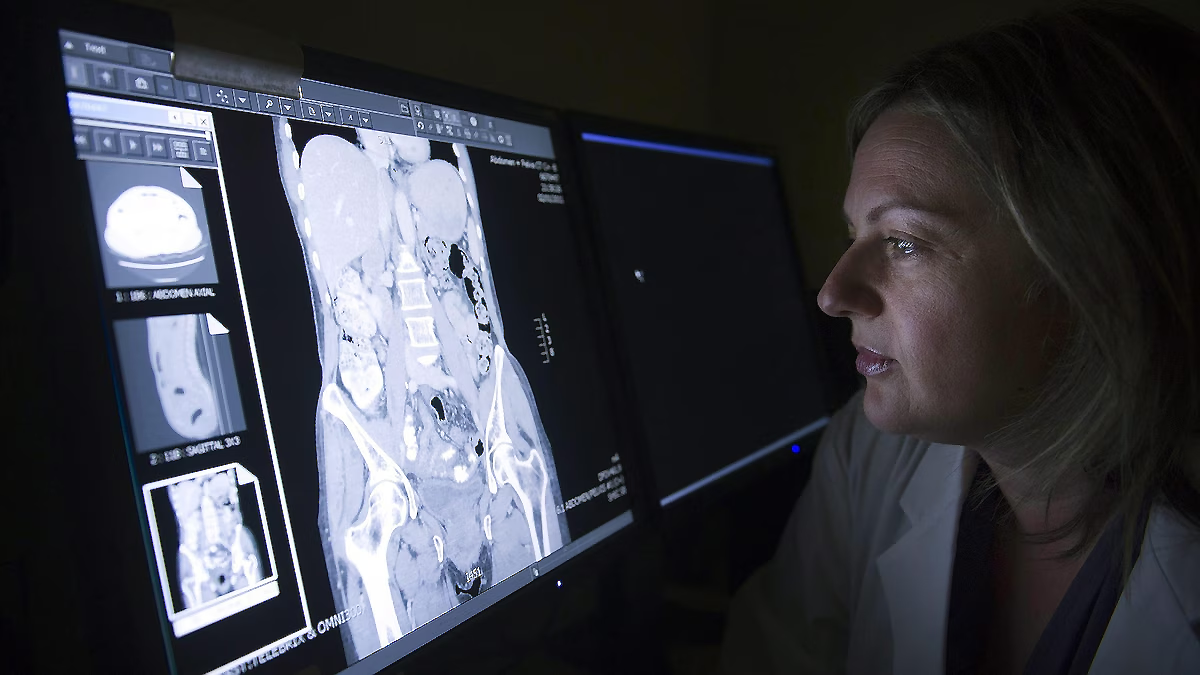
The rising incidence of cancer is putting increasing strain on Quebec’s health system. Mortality remains high in some regions, and the healthcare network must absorb a growing number of patients. This trend risks exacerbating waiting times for oncology services. Socially and economically, the burden is heavy. More cancer cases mean more loss of productivity, more medical costs, and a greater strain on caregivers.
The Ministry of Health warns of a significant rise in people living with cancer, as survival improves and diagnoses increase in absolute numbers. Moreover, advanced-stage diagnoses are more common when screening is insufficient or delayed. These late detections often require more intensive treatment, which is costlier and more demanding on both the patient and the healthcare system.
Prevention, screening and the urgent call for government action

In response to the rising cancer incidence, Quebec’s government has announced concrete targets in its 2024–2026 cancer action plan. The plan includes raising colorectal cancer screening coverage to 42% by March 2026, and switching to HPV testing for cervical cancer by the end of 2025. These measures aim to catch cancers earlier, when they are more treatable. The plan also mandates that 75% of patients requiring cancer surgery must be treated within 28 days by March 2026.
Data plays a key role in prevention. The Canadian Cancer Society and local patient groups are urging the rapid expansion of organized screening programs, more transparency in cancer data, and stronger regional equity in access to oncology services. According to the Coalition Priorité Cancer Québec, 40% of cancers in the province are preventable through lifestyle changes and early detection.
How Quebec compares to the rest of Canada and what it can learn

Quebec’s cancer incidence rate of ~664 per 100,000 is significantly higher than in other provinces. In contrast, British Columbia, for example, reports much lower incidence rates. This gap suggests that Quebec could benefit from studying prevention and screening models used elsewhere. Provinces such as Ontario have long-standing, well-organized cancer screening programs that seem to yield better early detection and perhaps lower mortality.
Learning from those provinces, Quebec might strengthen its public health policies: ramp up organized screening, especially for colorectal and cervical cancer; invest in regional oncology services to reduce disparities; and improve data infrastructure to identify high-risk populations. Such adaptations could help reverse the trend of rising cancer in Quebec.
Quebec’s 2025 cancer outlook is worrisome: the province leads Canada in projected new cases, underscoring the urgent need for preventive action, better screening, and stronger health policy. While demographic change and lifestyle risks drive this trend, the province has powerful levers at its disposal — most notably through its cancer action plan and data-driven strategies. By learning from other provinces and focusing on prevention, Quebec can begin to bend the curve and reduce the human, social, and economic burden of cancer.
About The Author