
Calgary launches 2026 budget discussions with public consultation
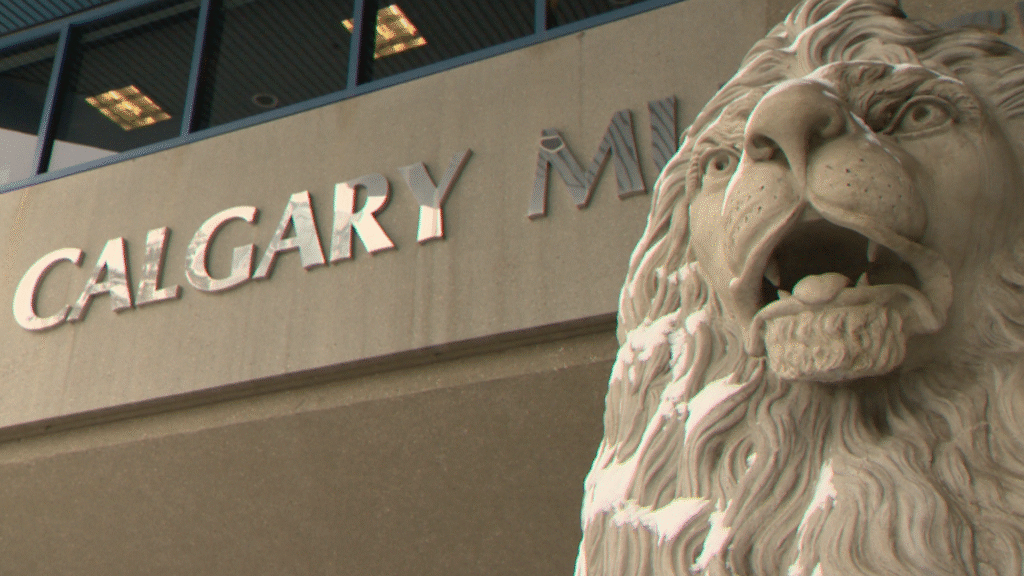
Calgary municipal officials have kicked off budget discussions for the year 2026, initiating a review process that will directly involve residents. This approach falls within a pre-existing multi-year budget framework that now requires some adjustments to certain aspects. The launch of these discussions comes at a time when local public finance management is generating growing interest among the population.
A Four-Year Budget Under Review
The current city council is examining the final year of a four-year budget plan adopted under the previous legislature. This medium-term financial strategy includes an overall property tax increase of 3.6 per cent for fiscal year 2026. The municipal administration must balance pre-existing financial commitments while considering public expectations, making the review of this budget framework particularly delicate.
However, the new leaders have the flexibility to adjust certain guidelines based on their political priorities and the contemporary needs of the community. This readjustment phase provides an opportunity to examine the soundness of initial budget decisions and modify them if necessary based on changes in economic and social realities that have occurred since the original plan was established.
Public Consultation at the Heart of the Process
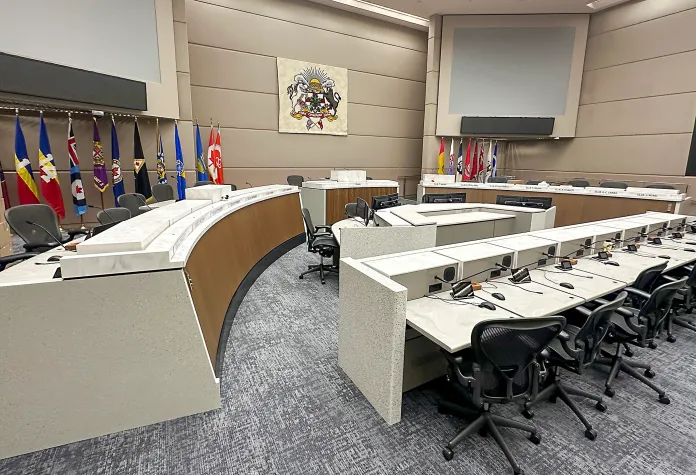
The holding of a public hearing represents a key element of this budget approach. This consultation gives Calgary residents the opportunity to voice their opinions directly on the projected financial outlooks, particularly regarding the property tax increase planned in the four-year program. The goal is to ensure transparency in the use of public funds and establish constructive communication between political representatives and taxpaying citizens.
Thus, citizens have the opportunity to express their concerns about a tax increase that will directly affect their budget. This collective approach reflects a desire to involve the community in the choices that will determine the city’s economic future. The testimonies gathered during these sessions will provide city council members with essential information to refine their choices and more precisely understand the priorities of Calgary’s various sectors.
Tax Implications for Property Owners
The 3.6 per cent increase in property tax represents a tangible issue for property owners in Calgary. This increase, although planned in a previous plan, occurs at a time when many households are facing various economic pressures, including inflation and rising cost of living. Local authorities will need to explain how these additional funds will be used to optimize public services and meet the community’s requirements.
The dilemma concerning the balance between required municipal investments and citizens’ ability to contribute remains at the heart of concerns raised during public consultations. In particular, property owners are asking questions about the distribution of this additional tax burden and the concrete benefits they could see in their daily lives, whether in terms of infrastructure improvements, public safety services, or community programs.
The budget discussions beginning in Calgary reflect a crucial democratic process for the functioning of municipal institutions. The new council faces the difficult task of reconciling administrative continuity with political renewal while preserving the municipality’s financial stability. The choices that will emerge from these discussions will shape Calgary’s economic path for the coming year and will impact the quality of services provided to residents.
This phase of dialogue between elected officials and citizens demonstrates the importance placed on democratic participation in municipal decision-making processes. The adjustments that will result from these exchanges will guide public investments and determine the level of services offered to the Calgary population in the coming months.
About The Author


