Major Projects Financing: Who Will Pay for the Next Wave of Infrastructure?
Large infrastructure projects are becoming increasingly costly, making financing a central challenge for both governments and investors. As the Major Projects Office (MPO) gains prominence in Canada, a key question dominates the debate: who will fund these massive projects? With cautious private capital, limited public budgets, and emerging hybrid mechanisms, the landscape of major projects financing is rapidly evolving. This dynamic reshapes partnerships, risks, and responsibilities.
The Role of the Major Projects Office in Major Projects Financing

The creation of the Major Projects Office represents a clear effort to organize and accelerate financing for strategic projects. Initially designed to simplify regulatory approvals, the MPO now focuses primarily on financial support. Its goal is to help project proponents structure viable plans and coordinate multiple institutional actors.
The MPO serves as a single access point for companies seeking to understand available public support, guarantees, or investments. Many submitted projects require complex structures, often worth several billion dollars. In this context, mere administrative support is not enough; strategic backing is also needed to attract private partners and reduce perceived risks.
This role as a financial architect is crucial at a time when Canada aims to rapidly develop key sectors such as critical minerals, clean energy, and transport infrastructure. The MPO sits at the intersection of public planning and private investment, making it a central player in major projects financing.
Why Financing Large Projects Relies on Hybrid Models

For decades, the private sector financed its projects independently, particularly in mining and energy. However, the global race for strategic resources has prompted governments to increase their involvement. Today, large-scale projects rely on hybrid models that combine public funds with private capital to secure development.
Several factors explain this evolution. First, projects have become more expensive, complex, and risky, reducing traditional investors’ appetite. Second, associated infrastructure—roads, power grids, port facilities—requires investments companies can no longer bear alone. Finally, states aim to protect strategic interests, motivating increased support in certain sectors.
Hybrid models provide greater financial stability and a better balance of risk. They also allow the integration of new mechanisms, such as guarantees for Indigenous participation or specialized funds. This evolution in major projects financing demonstrates that large initiatives can no longer rely on a single source of funding.
Public Tools Available and Their Limitations in Major Projects Financing
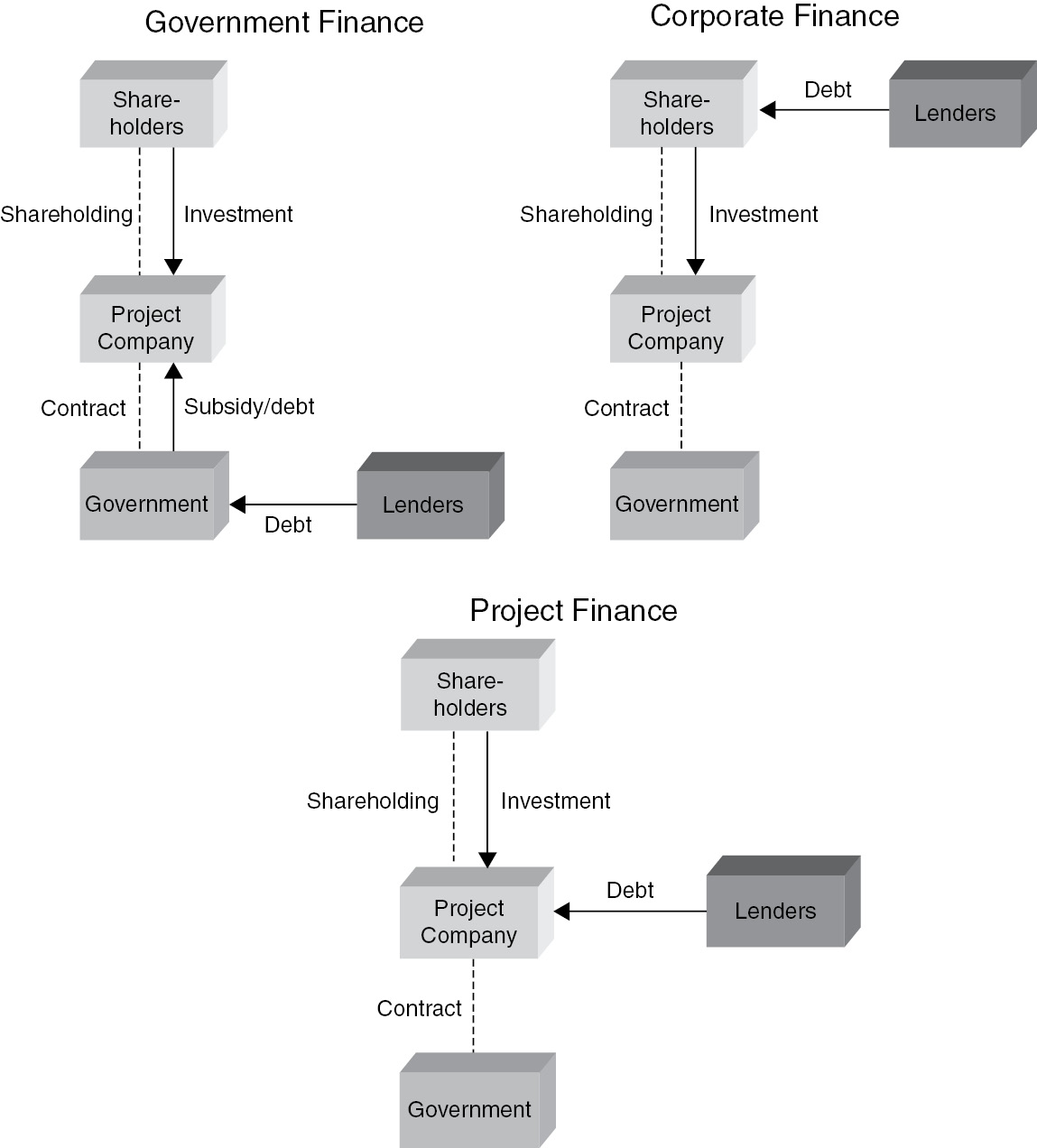
The 2025 Budget strengthened public mechanisms to support large projects, including the Canada Infrastructure Bank, the Canada Growth Fund, and the new Indigenous Loan Guarantee Corporation. These institutions must work alongside the MPO to direct funds toward the most promising projects.
However, their capacity remains limited compared to the scale of financial needs. Some projects alone require billions of dollars, far exceeding available budgets. Public funds thus play a catalytic role rather than full financing. Their mission is to make projects more attractive to private investors by offering guarantees, favorable loans, or strategic stakes.
Despite these tools, a lingering question remains: are public funds sufficient? Many analysts believe that these investments must be complemented by private capital and provincial financial participation. Without this coordination, no sustainable model for major projects financing can emerge, particularly in an economic context where investment flows are increasingly uncertain.
The Role of Private Capital and Challenges in Attracting Investors
Attracting private investors is one of the major challenges. Some experts argue that capital has become scarce in Canada due to economic uncertainty, high costs, and regulatory delays. To counter this caution, the government must offer favorable conditions and clarify the risks associated with large projects.
The MPO plays a crucial role in helping project proponents prepare strong, coherent, and attractive proposals. Investors primarily seek long-term visibility, regulatory stability, and clear risk sharing. Federal or provincial guarantees can help reassure markets and revive appetite for strategic investments.
However, neither the public nor the private sector can bear the full costs of these projects alone. Financial balance will therefore depend on a mixed model where each actor contributes according to its capacity. This reinforced partnership is essential for successful major projects financing, without which many projects will remain stalled.
Financial Balance to Ensure the Completion of Major Projects
The central question remains: who will really foot the bill? Taxpayers cannot bear colossal expenses alone, and private investors cannot shoulder the full costs either. The solution lies in a balanced model based on the complementarity of public and private financing.
This balance will depend on the type of project, its strategic importance, economic impact, and revenue-generating capacity. Some projects will receive substantial public support due to their national value, while others will naturally attract private partners. The MPO will then face the delicate task of establishing the best financial mix for each initiative.
This model will prevent costs from becoming unsustainable for taxpayers while reassuring markets. In the long term, a balanced sharing of responsibilities is the only way to succeed in major projects financing in a context where infrastructure needs continue to soar.
Financing large projects in Canada has entered a new era. Faced with massive investments, traditional solutions are no longer sufficient. The Major Projects Office, public institutions, and private investors must now collaborate to build hybrid structures capable of supporting the country’s ambitions. Finding the right financing balance will be essential to successfully execute strategic projects and meet the economic and environmental needs of the coming decades.
About The Author