
Rural Ontario radar project faces military land pushback
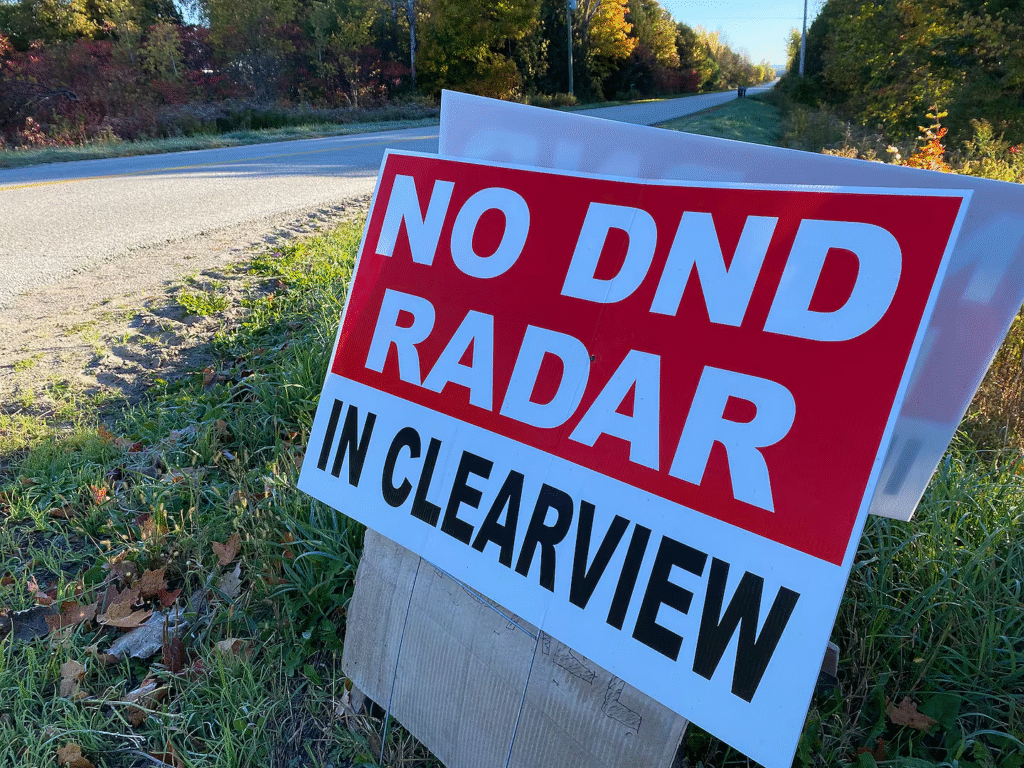
The Rural Ontario Radar Project is causing major concern in Clearview Township. Farmers fear losing multi-generation farmland after DND asked if they would sell their properties for a massive radar installation. Families worry about potential expropriation and the loss of a heritage they have preserved for decades. Public meetings have started, but many questions remain about the project’s impact and government plans. The Rural Ontario Radar Project highlights a clash between Canada’s defense priorities and the interests of local communities.
Why the rural Ontario radar project is sparking military land pushback?
Farmers across Clearview Township fear losing multi-generation farmland after receiving letters from DND. Specifically, these letters asked if they would consider selling their land for the radar project. Moreover, the scale of the project — requiring over 1,600 hectares — intensifies anxiety. Many worry that the government could eventually expropriate properties if negotiations fail. According to CBC, widespread fear and uncertainty, highlighting the emotional distress experienced by families who have worked the land for decades.
Local residents feel caught between national defense needs and their personal livelihoods. They are questioning how such a large military installation could affect the daily life of a rural community. The combination of limited information and high stakes has fueled the pushback. Transitioning from initial surprise to organized opposition, farmers are increasingly vocal about protecting their land.
Who is leading the pushback against the rural Ontario radar project?
Local farmers, such as the Brooks and Hutchinson families, are at the forefront of resisting the project. In particular, they publicly oppose selling their property, citing heritage, livelihood, and the need for stability. Clearview Township Council has unanimously supported their stance, furthermore voicing opposition to removing valuable agricultural land. Officials are pushing the government to explore alternatives, such as less productive farmland or abandoned plots.
Additionally, community groups have organized petitions and public campaigns, aiming to protect local farms from permanent loss. These efforts emphasize that opposition is not only personal but also communal, reflecting a collective defense of the region’s rural identity. Residents are increasingly coordinating to ensure their concerns are heard at provincial and federal levels. By highlighting the social and economic impacts, they aim to influence government decision-making.
What the military’s radar plan really means for Ontario farmland?
The Rural Ontario Radar Project is part of Canada’s $38-billion NORAD modernization plan, specifically the Arctic Over-the-Horizon Radar (A-OTHR) initiative. According to DND, states that the project requires large, flat, and low-interference farmland, conditions met in Clearview and Kawartha Lakes. The radar sites will include transmit and receive stations, potentially surrounded by fencing and security infrastructure. Although DND says expropriation is “not currently planned,” it remains a possibility if negotiations stall.
Environmental concerns also add to local tension, as portions of the land include wetlands and habitats that may be disrupted. Farmers worry that even partial development could affect crop production, livestock, and local economies. The project illustrates a complex balancing act between national security objectives and rural land preservation. Residents continue to seek dialogue and reassurances to mitigate uncertainty.
The Rural Ontario Radar Project highlights a clash between military strategy and rural community interests. Farmers and local councils oppose land loss and possible expropriation. Clear communication, public engagement, and alternative sites are essential. The project will affect Canada’s defense and the future of Ontario farmland. Residents remain vigilant, seeking solutions that balance security with heritage.
About The Author


