Low Oil Prices Hit Hard, But Canada Holds Key Advantages
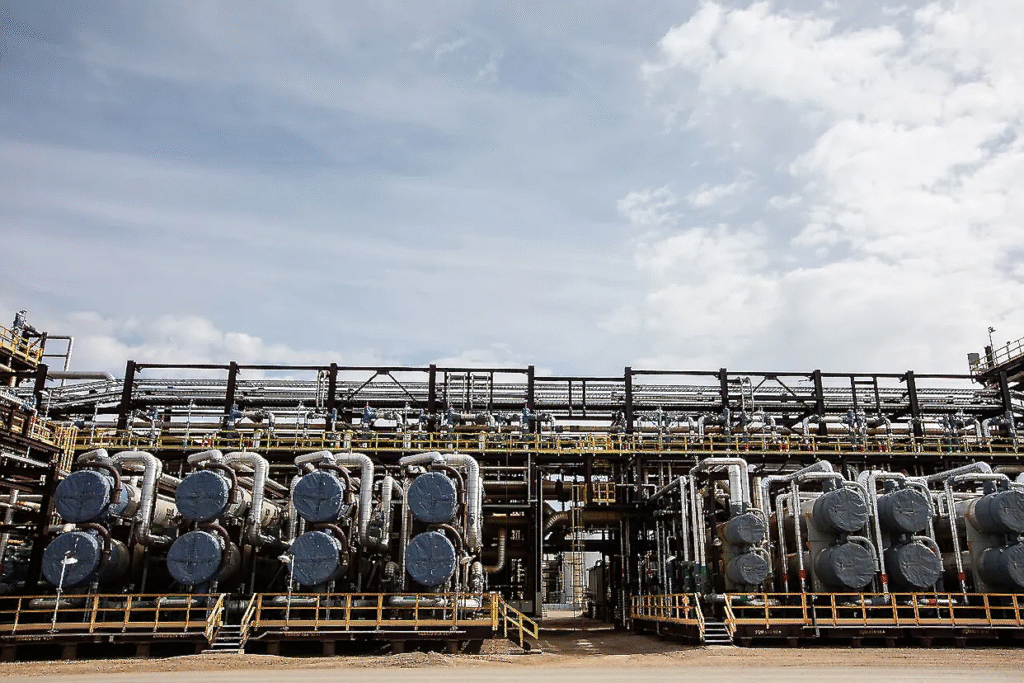
Low oil prices are reshaping the global energy landscape, and Canada is feeling the impact. Yet the country still holds a few strategic advantages that help it stay competitive. As prices continue to slide, companies face pressure to cut spending, protect jobs, and secure long-term stability. However, Canada’s oilpatch is showing resilience thanks to strong cost discipline and unique structural strengths. In this article, we explore how the sector adapts, where the pressure is greatest, and why Canada may still outperform its rivals despite today’s low oil prices.
Cost discipline & capital cuts amid low oil prices
Low oil prices are forcing Canadian energy companies to take a closer look at their spending. Recent reports show that Suncor Energy may slash its 2026 capital spending if the low-price environment persists. This approach reflects a broader trend, with many firms bracing for tighter budgets due to oversupply and dampened global demand. Investors now reward companies that show capital discipline, rather than aggressive expansion. Firms that maintain conservative spending are less vulnerable to market shocks. For example, some producers are postponing new drilling projects while others are optimizing existing operations. These measures ensure that even in a downturn, production continues efficiently.
As a result, Canadian firms are better prepared for volatility. Meanwhile, companies that increase spending despite low oil prices risk losing investor confidence. Consequently, cost management has become a key survival tool in the Canadian oilpatch. Moreover, tight budgets encourage innovation. Companies are exploring technology to reduce operating costs, improve extraction efficiency, and maximize returns. Over time, these steps strengthen competitiveness. In short, low oil prices are painful, but they also promote smarter, more disciplined operations that position Canada for recovery when prices rebound.
Layoffs & restructuring: Human impact of low oil prices

While cost discipline helps companies survive, the human impact of low oil prices cannot be ignored. ConocoPhillips, for example, recently announced layoffs in its Canadian operations as a direct consequence of falling crude prices. Job cuts like these reveal the real economic and social effects behind the headlines. For workers, this means uncertainty and, in some regions, severe financial pressure. Oil-dependent communities in Alberta and Saskatchewan feel these changes more acutely. Families face the stress of unemployment, while local economies experience reduced spending. In this way, low oil prices ripple through the entire ecosystem of the Canadian oilpatch.
At the same time, companies are trying to balance layoffs with long-term competitiveness. Many are restructuring operations to maintain efficiency without completely downsizing their talent base. For instance, some firms are retraining staff to operate advanced equipment or manage digital oilfield solutions. This approach allows firms to reduce costs while preserving key expertise. Furthermore, low oil prices highlight the importance of safety nets and support systems. Governments and industry bodies are monitoring unemployment trends and providing resources to help displaced workers.Ultimately, the low-price environment emphasizes that oil isn’t just a commodity—it’s a driver of communities and livelihoods. While firms adapt financially, their strategies must also consider the human side of the equation.
Canada’s structural edge despite the pain
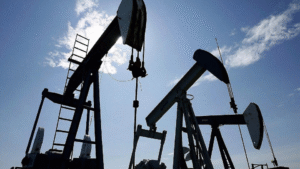
Even amid low oil prices, Canada enjoys structural advantages that help it weather global downturns. The country’s oil sands production is capital-intensive, meaning once facilities are built, they can operate efficiently and maintain output. In addition, ongoing optimization efforts allow companies to reduce costs and improve productivity without additional major investment. Conventional oil fields also provide stability. Unlike U.S. regions such as the Permian Basin, which are facing declining yields and higher water production, Canadian fields continue to deliver strong output. This makes Canada a relatively reliable producer in a volatile market.
Canada’s oil industry is adapting not only to low oil prices but also to climate pressures, investing in technologies to reduce emissions and prepare for a greener future. The government’s role further strengthens the sector’s position. Policies supporting pipeline expansion and enhanced export access, such as the Trans Mountain Pipeline project, open new markets in Asia. These developments help offset the effects of low oil prices and stabilize revenue streams.Analysts note that Canada’s long-term prospects remain promising despite current challenges. While prices may continue to fluctuate, structural resilience, resource depth, and strategic planning allow Canadian companies to stay competitive. Consequently, the low oil prices of today do not necessarily translate into long-term weakness.
Low oil prices continue to test the strength of Canada’s energy sector. Yet Canadian firms show that discipline, long-term planning, and resource depth can ease the shock. While spending cuts and layoffs reveal the harsh reality of this downturn, the industry still benefits from structural advantages that support future growth.As the global market stays uncertain, Canada must continue to adapt. With careful strategy, improved efficiency, and stronger export access, the country can stay competitive even when prices fall. The months ahead may remain challenging, but Canada’s unique position offers reasons for cautious optimism.
About The Author