Canada Post: Talks Stalled as Strike Threat Looms
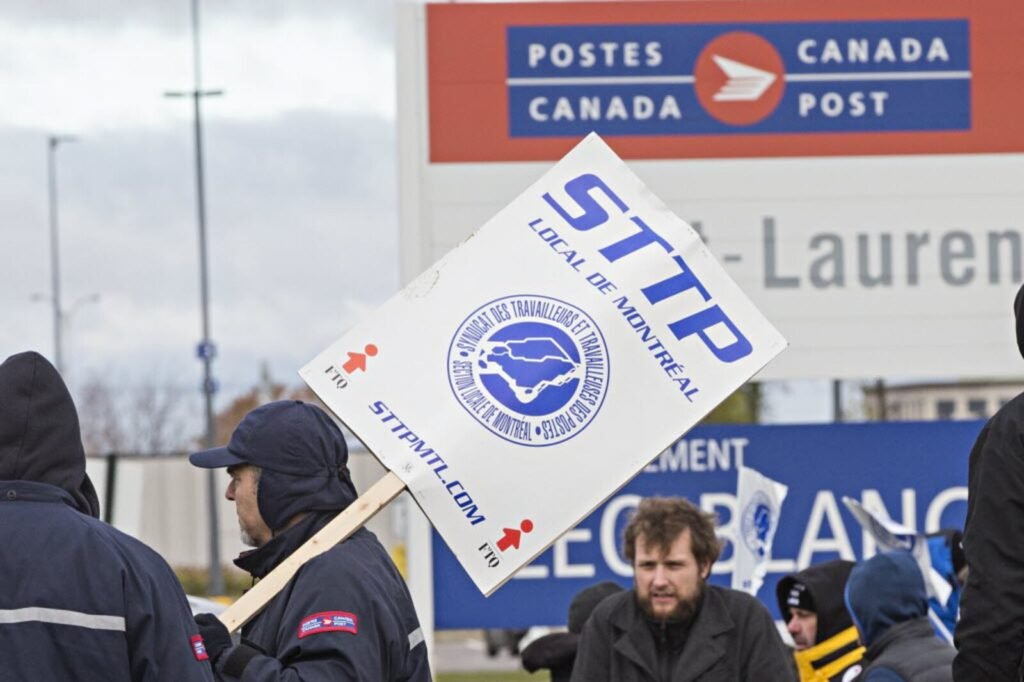
Negotiations between Canada Post and CUPW have once again hit a roadblock. Tensions are escalating, and a postal strike before the holiday season is now likely. This situation is troubling residents and businesses throughout the country.
Why are the Talks Between Canada Post and CUPW Deadlocked

Negotiations between Canada Post and the Canadian Union of Postal Workers have reached a deadlock in the wake of Ottawa’s announcement of new postal reforms. These include major changes in delivery standards and an expansion of community mailboxes, due to changing mail volumes.
CUPW continues to argue that the changes will jeopardize jobs, especially in rural regions, and that Ottawa is bypassing the normal collective bargaining process by bringing in measures too quickly. Canada Post claims that the changes are vital to the financial viability of the public postal service.
To save time, federal mediation assistance has been offered to the parties, but they remain intransigent in their positions. CUPW wishes the changes to be suspended immediately. Canada Post refuses to suspend the changes on the grounds of the savings that would result from the changes.
The dispute about the services and viability of the postal service remains an impediment to progressing the collective agreement. Without compromise, the dispute is a dangerous precursor to a major national labour management dispute.
How CUPW’s Rotating Strike Strategy Increases Pressure on Canada Post
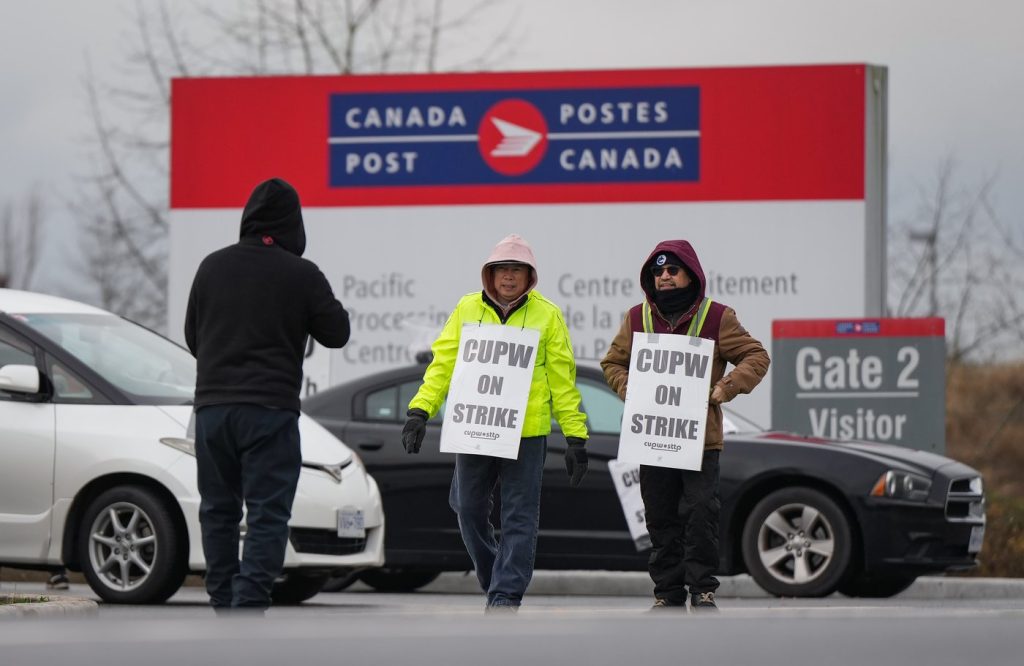
After months of deadlock, CUPW has instructed workers to launch a rotating strike strategy. This strategy allows employees to stop working on a region-by-region basis with little warning. The purpose is to maintain pressure on Canada Post while mitigating the direct impact on the general public.
Rotating strikes have the effect of disrupting deliveries of mail without entirely shutting down the mailing system. They create delays in parcel delivery, especially relevant in the peak season leading up to holidays, and rotating strikes further restrict Canada Post’s ability to plan its operations, all while putting pressure on Canada Post management.
While the rotating strike strategy allows CUPW to maintain a mobilized membership for future job action, it also leaves space for representatives to negotiate. CUPW asserts they are defending citizens and small businesses and community organizations as part of their strategy.
Canada Post, on the other hand, have scapegoated the ongoing disruptive shift of work as damaging to their online retailers and local businesses. At the same time, federal mediation urged both sides to engage in meaningful and URGENT negotiations. To date, both parties appear unable to reach a compromise and significant action continues to be the call from CUPW.
If at some point meaningful progress does not occur on the negotiations, we could see the rotating strikes escalate to a national strike that could include millions of Canadians.
Why CUPW Calls Canada Post’s New Offers “A Step Backward”
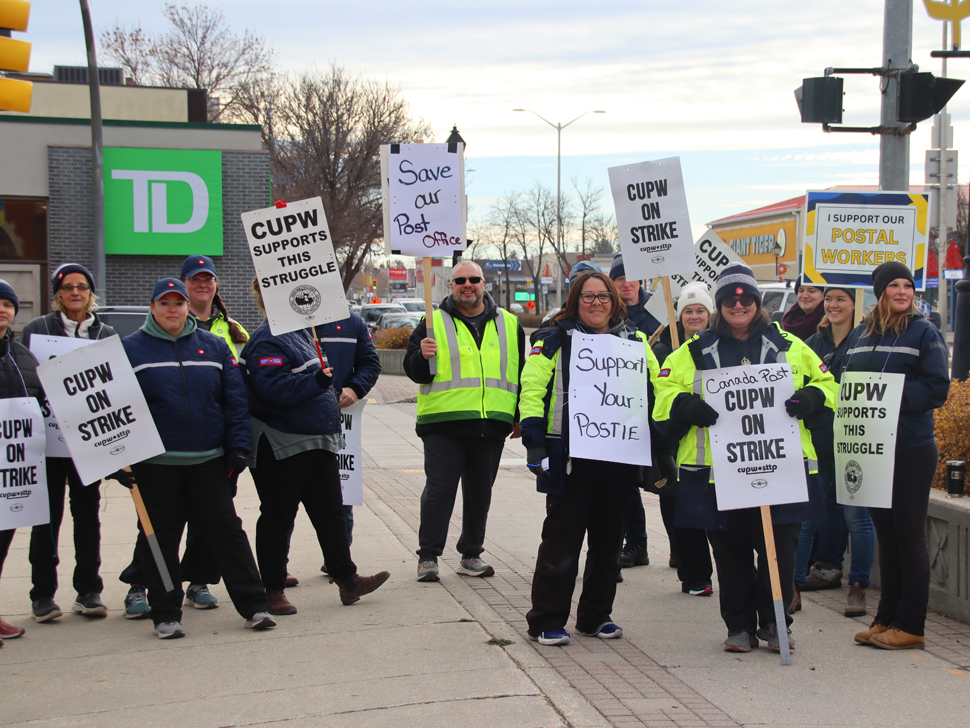
Recently, Canada Post offered a new proposal that included wage increases of 13.56% over a four-year period; however, it excluded a signing bonus and contained proposals associated with expected job cuts. Canada Post said these proposals were necessary to safeguard the long-term viability of the postal service. The Canada Union of Postal Workers (CUPW) immediately rejected the offer, calling it a significant step backward for workers. The offer was short on addressing the fundamental issues, including the lack of guarantees for workers, job security, workplace protections, working conditions, and the impacts of expected federal reforms. The minister responsible for the file encouraged CUPW to submit a counter-offer, reminding both sides that mediators would assist the process. CUPW staunchly insisted that it would not move forward as long as the anticipated federal reforms still existed.
This strong disagreement is indicative of the vast chasm between the two sides. Canada Post is looking for savings and modernization, while CUPW is looking for strong protections and fairness in the long haul. In all that said, unless something unique and breakthrough happens soon, the likelihood of a national strike prior to the holidays is a real possibility.
About The Author